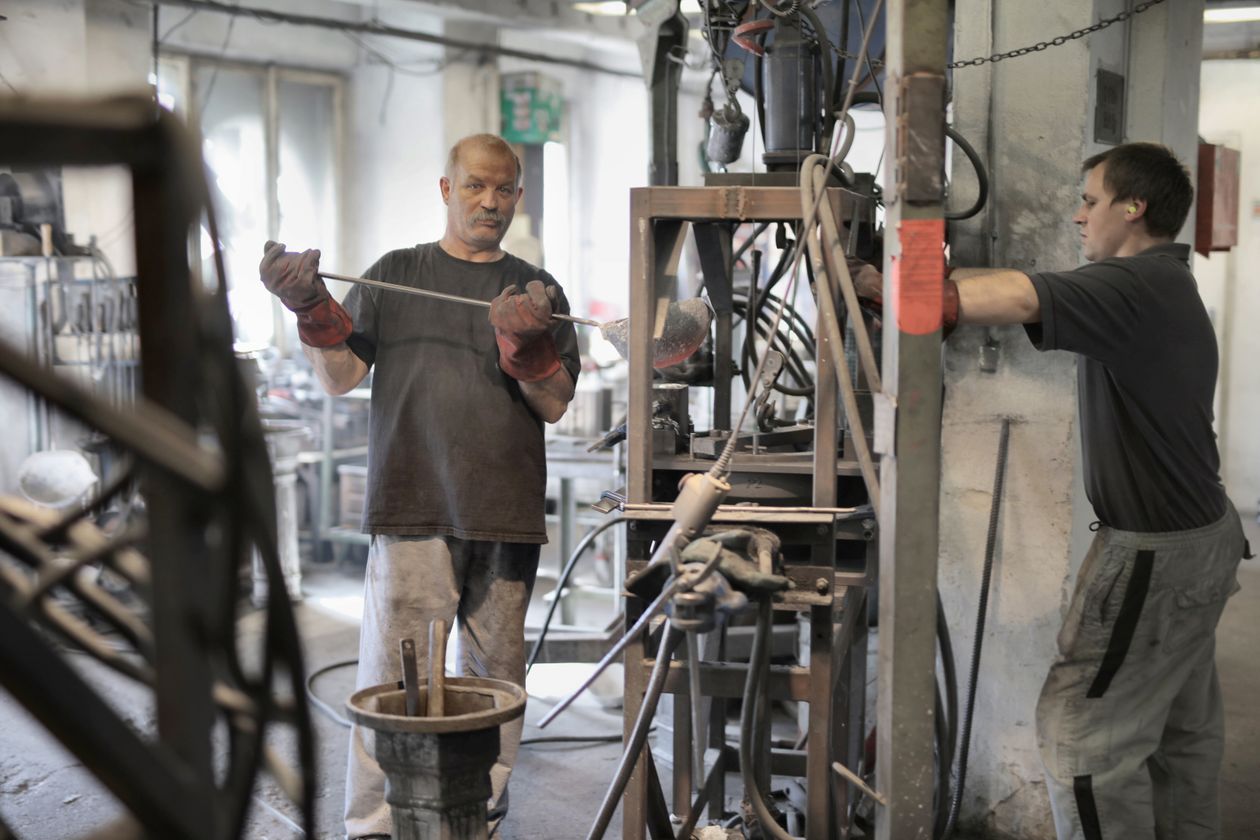
Manufacturers across Northern Minnesota operate in a labor market that is very different from a major metro. Plants may be separated by dozens of miles, the working-age population is spread across a wide geography, and the same experienced candidates are often being recruited by several employers at once. That makes an open machine-operator, maintenance, welding, HVAC/R, or production-lead position more than a recruiting problem. It can become a production problem.
Minnesota’s manufacturing sector remains large and important. CareerForce reports that more than 320,000 people work in manufacturing statewide and that Minnesota employers reported nearly 7,750 manufacturing vacancies in 2024. The state expects more than 93,000 manufacturing production openings through 2032 when growth and replacement needs are combined. In Northeast Minnesota, manufacturing employment increased 3.7% from 2024 to 2025, according to the Minnesota Department of Employment and Economic Development. Demand for reliable industrial talent is not disappearing.
Geography limits the local talent pool
The first pain point is simple: there are fewer qualified people within an easy commute of many Northern Minnesota facilities. A job that pays well can still be difficult to fill if the shift starts before public transportation runs, requires a 45-minute winter commute, or competes with an employer closer to the candidate’s home. Employers that recruit only inside their city limits can miss people in neighboring communities who would consider the job for the right schedule, pay, and career path.
Specialized skills require deeper screening
The second challenge is skill specificity. Industrial hiring is rarely just “we need a worker.” A plant may need someone who can read blueprints, set up a press brake, troubleshoot controls, weld to a particular standard, maintain refrigeration equipment, or work safely around heavy mobile equipment. Résumés do not always show whether a candidate can succeed in the actual environment. Screening has to focus on relevant experience, work history, reliability, and the realities of the role.
The hidden cost of an open position
A third issue is the hidden cost of waiting. When a key position stays open, supervisors cover shifts, reliable employees work more overtime, preventive maintenance gets pushed back, and managers spend hours reviewing applicants instead of running operations. Over time, vacancy pressure can create burnout and turnover among the employees the company most wants to keep.
Recruiting strategies for Northern Minnesota employers
Northern Minnesota employers can improve results by widening the recruiting radius, making job expectations and compensation clear, responding quickly to qualified applicants, and using multiple hiring paths. Temporary or contract staffing can support demand spikes or project work. Evaluation hire can create a structured period to assess fit. Direct hire can help reach specialized candidates who are already working and not applying to public job ads.
Industrial Staffing MN, powered by the Express Employment Professionals team in Grand Rapids, is designed around those realities. We recruit across Northern Minnesota for manufacturing, skilled trades, HVAC/R, maintenance, warehouse, material handling, fabrication, and other industrial roles. If an open position is creating overtime, downtime, or management distraction, call 218-WORKNOW to discuss the job and the recruiting challenge behind it.
Employers should also track why candidates decline offers and why recent hires leave. A short feedback loop can expose whether pay, shift design, commute distance, slow decisions, or unclear job expectations are reducing acceptance and retention. Small changes in the recruiting process can widen the available labor pool without changing the essential standards of the job.