Why One Industrial Job Title Can Hide Four Different Kinds of Readiness

Industrial jobs are layered. Operation, setup, troubleshooting, and maintenance are different kinds of readiness, and employers should screen for the exact one they need.
Practical guidance for Northern Minnesota manufacturers, heavy-industry employers, skilled-trades professionals, and industrial job seekers.
Industrial jobs are layered. Operation, setup, troubleshooting, and maintenance are different kinds of readiness, and employers should screen for the exact one they need.
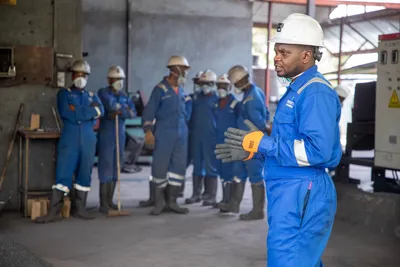
Industrial jobs keep workers longer when growth is visible. Apprenticeship-style mentoring, skill steps, and pay progression can improve hiring and retention.

Industrial hiring is local because plant work is local. Commute time, housing costs, and shift timing can matter as much as the wage itself.

Industrial jobs have a missing middle between being hired and being fully ready. The difference matters for safety, training, pay, and advancement.
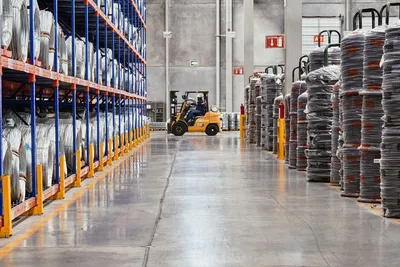
Industrial experience has layers: production, setup, troubleshooting, and site authorization. Separating them leads to better hiring and safer starts.

Commute time, housing costs, and local industry mix shape who can actually work an industrial shift. Employers and applicants should evaluate the labor shed, not just the title.

Industrial job postings work better when they separate tasks, authorization, schedules and progression instead of relying on a single title.
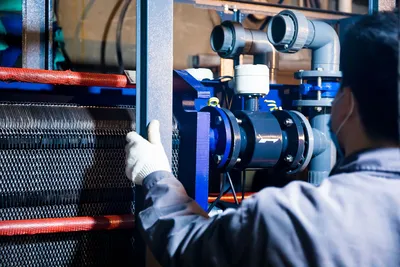
Industrial jobs only look similar from the outside. Setup, operation, troubleshooting, and site authorization are different—and they change pay, safety, and fit.

Industrial readiness depends on three separate clearances: role fit, site training, and equipment authorization. Titles alone do not prove readiness.
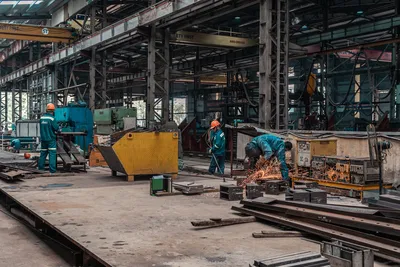
Industrial hiring works better when employers separate experience, site authorization, and true job fit instead of treating them as one thing.
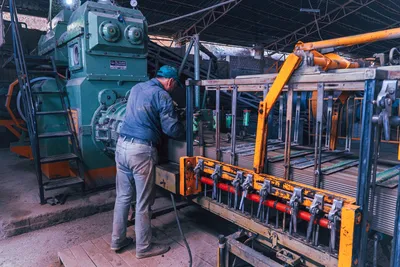
Industrial careers are built in layers: entry work, site authorization, cross-training, apprenticeship, and advancement. Knowing the rung matters.
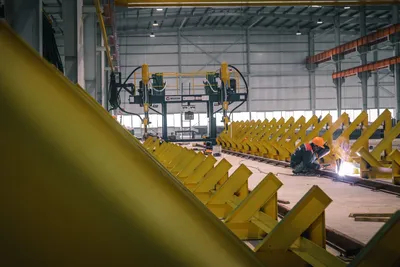
A skills matrix helps with coverage, but it cannot replace site-specific authorization, maintenance coordination, or real training on the floor.