Why One Industrial Wage Number Never Tells the Whole Story

Industrial pay depends on role, shift, authorization, commute, and housing. Compare the whole job, not just the headline wage.
Practical guidance for Northern Minnesota manufacturers, heavy-industry employers, skilled-trades professionals, and industrial job seekers.
Industrial pay depends on role, shift, authorization, commute, and housing. Compare the whole job, not just the headline wage.
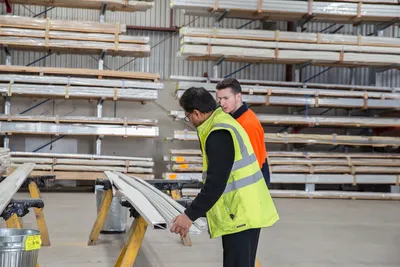
A practical look at how to read an industrial job by its tasks, authorization, training, and schedule—not just by title or pay.
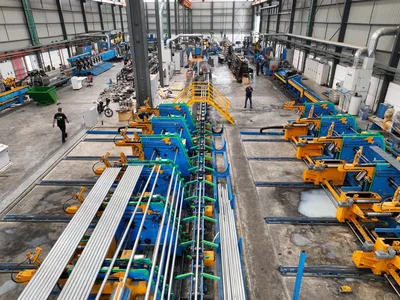
Changeover is more than downtime. It blends setup, safety, handoff and training, and plants that define it clearly can improve consistency and reduce confusion.

Industrial coverage fails when employers think in bodies instead of qualified tasks. Here’s how shift plans, authorization, maintenance, and fatigue really shape plant coverage.

Industrial hiring turns on more than experience. The real question is what a worker is trained, authorized, and ready to do on this site.
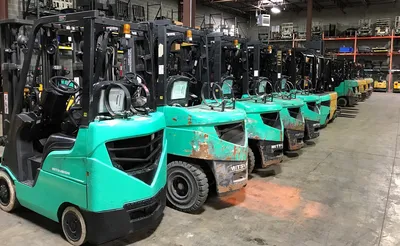
Forklift experience helps, but site-specific training and employer authorization decide who can safely work a warehouse truck on day one.
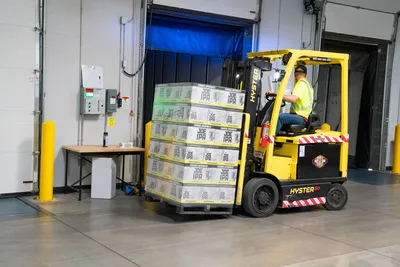
Industrial experience helps, but site-specific authorization decides who can work independently, advance, and stay safe on the floor.

Industrial jobs are not just starts; the best ones show a path from training to authorization to advancement, with pay and responsibilities that rise together.

Industrial hiring works better when employers separate general experience, site-specific authorization, and real career progression instead of treating them as one question.
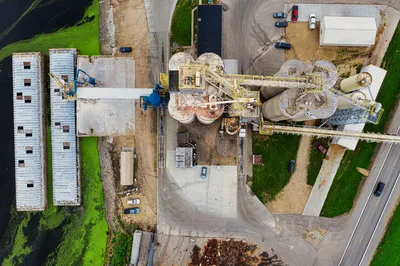
Industrial hiring works better when employers separate experience from site authorization, especially for machines, trucks, shifts, and advancement.

Clear boundaries between production, material handling, and maintenance reduce delays, confusion, and unsafe assumptions on industrial floors.

Industrial slowdowns often come from unclear handoffs, not just short staffing. Clear role lines, training, and authorization keep shifts moving.