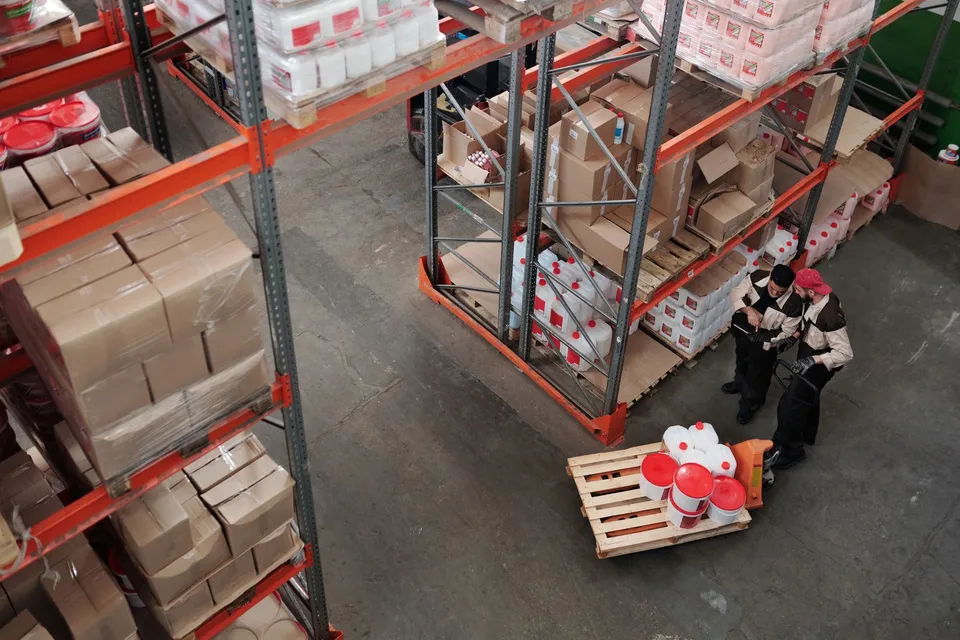
On a plant floor, the slowest moments are often not the loud ones. They are the moments when responsibility changes hands: a line operator notices a jam, a material handler brings the next pallet, a mechanic decides whether the problem is a quick adjustment or a service call. The difference matters because BLS separates production occupations, machine operators/assemblers/inspectors, and transportation and material moving occupations into different major groups, which is a strong reminder that these jobs are related but not interchangeable. (bls.gov)
That separation is not just paperwork. OSHA’s lockout/tagout standard covers servicing and maintenance of machines and equipment where unexpected energization or startup could cause injury, and it requires employers to run an energy-control program with procedures and training. In plain English: the line between “running the machine” and “working on the machine” is a safety boundary, not a casual judgment call. (osha.gov)
Three kinds of work that often get blurred
Industrial job titles sound simpler than the work behind them. On many floors, the real divide is among production, material handling, and maintenance.
- Production work keeps the process moving within the normal operating window. The operator watches gauges, checks output, responds to alarms, and flags problems that go beyond routine adjustment.
- Material handling keeps the right parts, cartons, pallets, or finished goods in the right place at the right time. BLS’s transportation and material moving group includes many occupations with no formal education requirement or a high school diploma as the expected entry point, which shows how different this work can be from technical maintenance. (bls.gov)
- Maintenance and service work diagnoses, repairs, and returns equipment to service. BLS describes industrial machinery mechanics and maintenance workers as people who detect and correct problems before the machine or its output is damaged. (bls.gov)
When employers blur those categories, they usually do not get a “flexible” workforce. They get unclear authority, slower response times, and more chances for a small problem to grow into downtime or an injury.
Why handoffs are where plants lose time
A surprising amount of industrial efficiency lives in the handoff. A changeover may involve cleaning, staging the next material, swapping tooling, verifying labels, and restarting the line. A simple jam may require one person to clear the product flow, another to confirm quality, and a third to service the equipment. If those steps are not separated, workers start guessing.
That is where risk increases. OSHA says employees in areas where energy-control procedures are used need instruction in the purpose and use of those procedures, especially the rule against trying to restart or reenergize machines that are locked or tagged out. (osha.gov) That means a plant does not need more heroic problem-solvers; it needs clearer handoff rules.
For employers, the practical question is not “Can this person do everything?” It is “Which parts of the process should this person own, and which parts should stop and transfer to someone else?” A good handoff policy answers four things:
- Who may stop the process.
- Who may clear routine conditions within their training.
- Who may call maintenance or isolate energy.
- Who has authority to restart or release the line.
That kind of definition is especially valuable in facilities that run multiple shifts, handle frequent changeovers, or rely on temporary support during peaks. In those settings, the cost of a vague role description is usually paid in confusion, not just labor hours.
What employers should define before the first shift starts
A strong industrial job description should say more than “must be able to multitask.” It should tell people where their responsibility begins and ends.
- If the role is operator-focused, say whether the worker is expected to run a standard cycle, watch quality checks, and escalate problems.
- If the role is material-focused, say what gets moved, where it goes, and whether the job includes staging, scanning, counting, or forklift use.
- If the role is maintenance-focused, spell out whether the employee is authorized for service tasks, how lockout/tagout is handled, and what training is required before that authority is granted. OSHA’s standard is clear that servicing and maintenance come with an employer energy-control program and worker training. (osha.gov)
That last point matters because training, credentials, and employer authorization are not the same thing. A worker may have prior experience, but still need site-specific training before touching a machine, entering a maintenance zone, or signing off on restart. Good employers do not assume those steps are obvious; they make them explicit.
What applicants should ask when the title is vague
Industrial job seekers can protect themselves with a few simple questions:
- Is this mainly operation, material handling, setup, or maintenance support?
- What tasks am I authorized to do on day one, and what requires additional training?
- Who handles jams, resets, and restart decisions?
- Will I be working around lockout/tagout procedures, and if so, what training is provided before I’m expected to participate? (osha.gov)
- How much of the shift is product movement, machine tending, cleanup, inspection, or service support?
Those questions are not a sign of hesitation. They are the fastest way to learn whether a job matches your experience and whether the plant really knows how its work is divided.
The payoff of a clear handoff
When roles are cleanly separated, people make faster decisions. Operators know when to escalate. Material handlers know what must be staged before a restart. Maintenance techs know what they are being asked to fix and what has already been secured. Supervisors spend less time untangling assumptions and more time keeping production on track.
That is why the best industrial teams do not just hire for attitude or general experience. They define the handoff. They know that a line stays productive when each worker understands what they own, what they may not touch, and when the next specialist should take over.
If you are writing a role, reviewing a job offer, or trying to map your experience to a better-fit position, start with the basics on the employer resources page or the job-seeker page. Then ask one question that clears up most confusion: who owns the handoff?