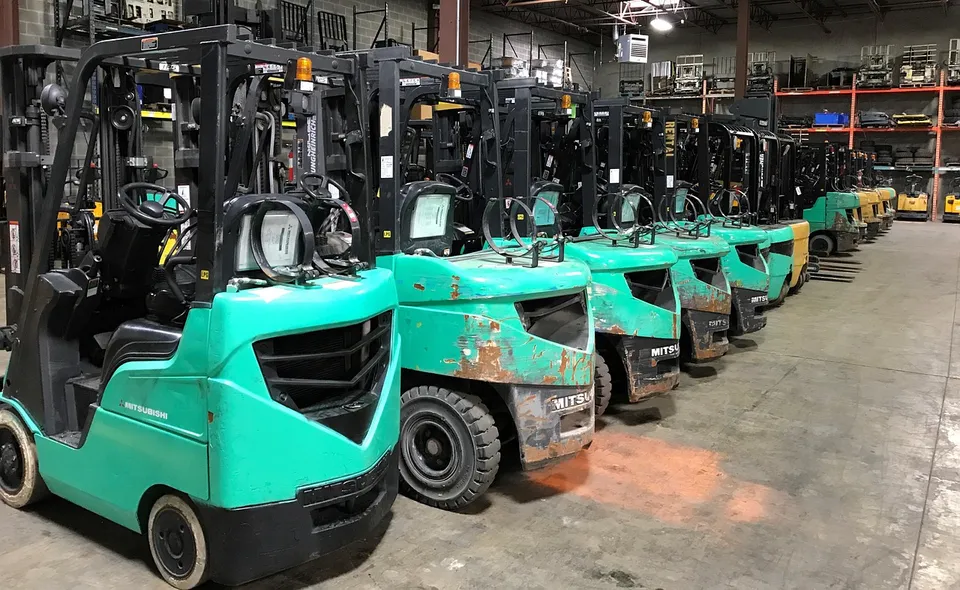
Experience can help, but it does not finish the job
A warehouse résumé can show shipping, receiving, pallet moves, and years on the floor, yet still leave one question unanswered: is the worker actually cleared to run the truck in this building, with this load, on this layout? That distinction matters because industrial work is not one broad category. Federal wage data separate production, supervision, maintenance, quality, and material handling into different labor segments, and those groups do not pay, train, or advance the same way . In other words, a good general worker may be a strong candidate, but the employer still has to verify the specific task.
What forklift authorization really means
OSHA’s powered industrial truck rules make the core point plain: the employer must train and evaluate the operator before the person can use the truck, and that evaluation has to be repeated at least every three years and after refresher training or a workplace change . That means a candidate’s past experience is useful evidence, but it is not automatic authorization. The truck type, attachment, aisle width, load profile, dock setup, and traffic pattern all matter. A worker who did well in one facility may still need site-specific training before working independently in another.
That is why “I’ve driven a forklift before” should be treated as the start of the conversation, not the end of it. The right follow-up questions are concrete: What kind of truck did you run? Were you moving skids, drums, coils, or mixed product? Did you work indoors, outdoors, or both? Were you stacking into rack, loading trailers, or feeding production? Those details tell an employer far more than a title ever can.
Why employers should care about the difference
The gap between experience and authorization is not just a compliance issue. It is a workforce management issue. Production supervisors are expected to plan schedules, assign sequences, inspect materials and equipment, and train workers or arrange training through experienced employees . If a supervisor assumes all warehouse experience is interchangeable, the result can be the wrong person on the wrong truck at the wrong time.
That mistake can ripple into delays, damaged product, near misses, and avoidable turnover. It can also hide a planning problem. If only one person on a shift is truly cleared for certain equipment, then the plant does not have a “coverage” plan; it has a single point of failure. The smarter move is to build a skills matrix that separates general warehouse experience from equipment-specific authorization, then update it whenever a worker is trained on a new truck or a new task.
What this means for job seekers
For applicants, the takeaway is encouraging, not discouraging. General warehouse or production experience still matters, especially in roles where pace, attention, and safe material flow are important. But when you talk about forklift work, be specific. Say what equipment you used, what loads you handled, what conditions you worked in, and whether your experience was current and site-authorized. That language helps employers see transferable skill without guessing.
It also helps to separate what you have done from what you are ready to learn next. An employer may be looking for a person who can start on receiving, qualify on a sit-down truck, and then add pallet jack work, staging, or inventory support later. Industrial careers often move in layers like that. The federal job data show that occupation families differ in wage and responsibility, with production workers, material handlers, and first-line supervisors occupying different rungs of the labor market . Clear descriptions make it easier to match the right person to the right rung.
The hidden human factor: fatigue and ergonomics
Forklift readiness is not only about skill; it is also about alertness and body mechanics. NIOSH says fatigue is associated with night work, extended hours, physically demanding work, and hot environments, and it can slow reaction time and reduce judgment . NIOSH also notes that repetitive force, lifting, vibration, and awkward posture contribute to musculoskeletal risk . That matters in warehouses because a tired operator, or one who is repeatedly twisting, reaching, and climbing, is more likely to make a mistake.
So the best forklift program is not just a checklist. It is a system that considers shifts, rest, traffic patterns, housekeeping, visibility, and how work is distributed across the crew. When employers design for those realities, they protect both safety and throughput. When workers understand them, they can better judge whether a role fits their stamina and experience.
A practical way to hire and apply more accurately
Employers should write the job the way the work actually happens: truck type, load type, shift, floor conditions, and the level of independent authorization required. Applicants should answer in the same language and avoid letting broad warehouse experience blur important boundaries. A material handler who can move product safely on one assignment may still need formal signoff before using another truck or working a different dock.
That distinction may sound small, but it is what keeps industrial staffing useful. Experience tells you where a person may fit. Authorization tells you where the person can work today. When those two ideas stay separate, hiring becomes clearer, onboarding becomes safer, and the first week on the job stops being a guessing game.
If you are planning a warehouse hire or applying for one, start with the exact equipment, shift, and load conditions. That simple step usually reveals whether the role is a good match, a training opportunity, or a risk you should not take.