Skilled-trades hiring is one of the hardest workforce problems for industrial employers in Northern Minnesota because the best candidates are often already working. Experienced HVAC/R technicians, industrial maintenance mechanics, millwrights, welders, CNC machinists, electricians, and equipment technicians do not always spend evenings applying to job ads. Many hear about their next opportunity through a coworker, former supervisor, recruiter, vendor, or industry contact.
Build a skilled-trades recruiting pipeline
That changes how employers should recruit. Posting a job and waiting can work for high-volume entry-level positions, but specialized trades require a pipeline. A pipeline means staying connected to people before the vacancy becomes urgent, knowing the compensation and schedule that can realistically attract them, and being ready to move when a strong candidate appears.
For Northern Minnesota employers, geography makes pipeline building even more important. A technician living in Hibbing may consider Virginia, Grand Rapids, or another Iron Range community depending on the shift, company vehicle, overtime expectations, travel, and total compensation. A maintenance candidate near Bemidji may be open to a longer commute for a four-day schedule. Recruiting across communities rather than inside one ZIP code creates more options.
Describe the job clearly and move quickly
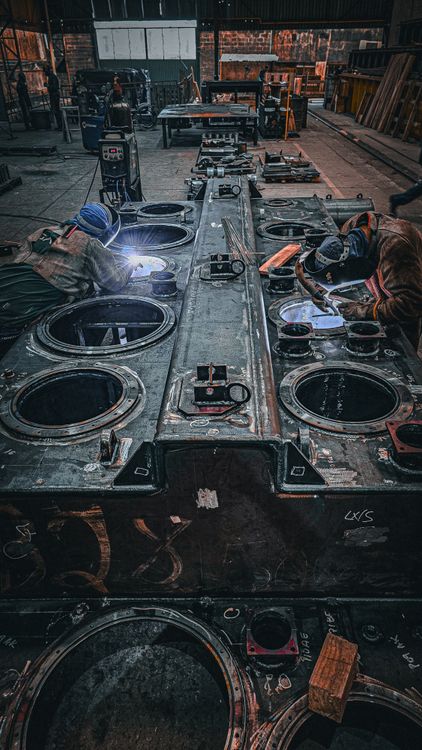
The job description also matters. Skilled candidates want to know what they will actually touch. An HVAC/R technician needs to know whether the work is commercial, industrial, refrigeration-heavy, controls-focused, service-based, or primarily preventive maintenance. A maintenance mechanic will want to understand the machinery, shift, call-in expectations, and whether electrical troubleshooting is part of the job. Welders care about process, material, position, blueprint requirements, and whether the work is repetitive production or varied fabrication. Specificity helps the right people opt in and the wrong people opt out.
Speed is another competitive advantage. In a tight skilled-trades market, a qualified person may have multiple conversations underway at once. A hiring process with three weeks between interview steps can lose a candidate to an employer that made a clear decision in three days. Employers do not need to lower standards, but they should remove unnecessary delays.
Retention starts with honest expectations
Retention begins during recruiting. If the advertisement promises one schedule and the interview reveals another, trust drops immediately. If overtime, travel, physical demands, or on-call expectations are significant, disclose them early. Candidates who knowingly choose the work are more likely to stay than candidates who discover the hard parts after they start.
Grow a reliable talent pipeline
A staffing and recruiting partner can extend an employer’s reach by talking with both active and passive candidates, screening for relevant industrial experience, and keeping communication moving. Express Employment Professionals offers temporary/contract, evaluation-hire, direct-hire, and professional recruiting options, which can be matched to the type of position and the urgency of the need.
For Northern Minnesota companies, the goal should be bigger than filling today’s opening. Build a repeatable recruiting channel for tomorrow’s HVAC/R technician, maintenance mechanic, millwright, welder, machinist, or production leader. Industrial Staffing MN focuses on that industrial talent market from Brainerd through Grand Rapids, Bemidji, Duluth, the Iron Range, and north toward the Canadian border.
Training partnerships can strengthen the pipeline as well. Employers that document advancement paths, support certifications, and identify experienced employees who can mentor newer technicians create more internal mobility. That matters in a region where recruiting every future vacancy from outside the company is unlikely to be sustainable.