An industrial resume can look strong and still miss the mark if the title does more work than the facts. In production, maintenance, quality, and material handling, the same label often covers very different tasks, tools, and authorization levels. That is not a wording problem; it is a staffing problem. Federal wage data show why the distinction matters: in May 2025, production occupations had a median annual wage of $51,600, assemblers and fabricators were at $47,740, machinists at $58,750, industrial machinery mechanics at $64,100, and first-line supervisors of production and operating workers at $76,600. Those differences reflect real differences in responsibility, not just pay bands.
Look beyond the job title
The easiest mistake is to assume that “industrial experience” transfers as one block. It usually does not. Assemblers and fabricators are closer to repeatable build work and line pace. Machinists set up and operate machine tools, and may also program equipment or modify parts for repair. Maintenance mechanics and millwrights work across mechanical, electrical, and cross-craft troubleshooting, often dealing with preventive maintenance, alignment, belts, motors, filters, and machine diagnosis. Those are related careers, but they are not interchangeable careers. A worker may move from one to another over time, but the employer still has to know which parts of the job the person has actually done.
Verify equipment-specific authorization
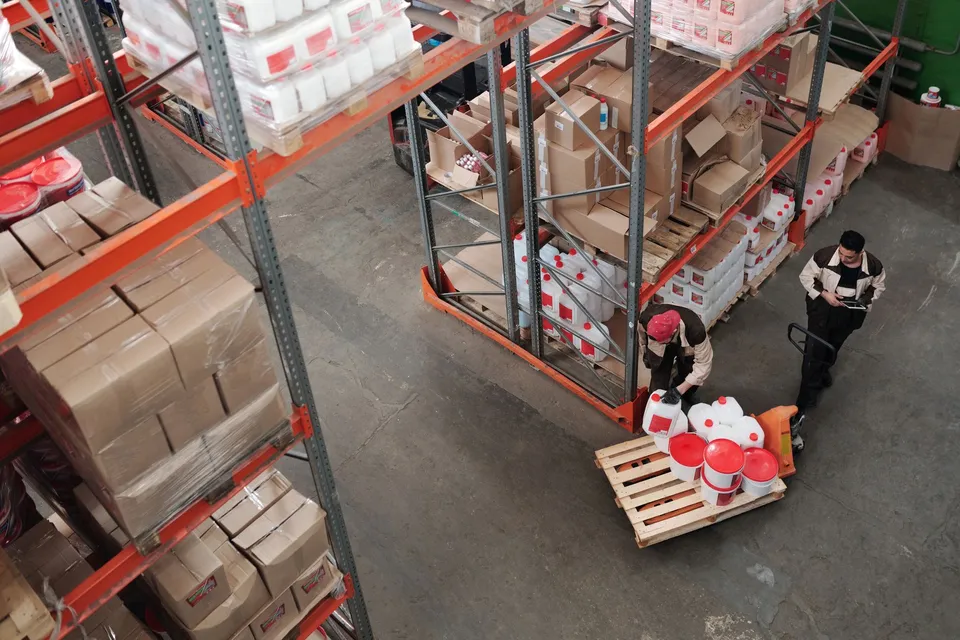
That difference is especially important when the work involves equipment-specific authorization. A warehouse associate may have years of materials handling experience and still not be cleared for a particular powered industrial truck at a new site. OSHA requires employers to train and evaluate operators before they use a powered industrial truck, and that evaluation has to be tied to the workplace and the equipment in use. In other words, prior exposure is not the same thing as current authorization. For hiring managers, that means a resume should trigger a deeper question: what truck, what load type, what aisle conditions, and what evaluation? For applicants, it means the safest way to describe experience is to name the actual equipment and site conditions you have worked under.
Quality work is another place where titles can mislead. BLS says quality control inspectors are a distinct occupation, with about 602,000 jobs in 2025 and 64 percent of them in manufacturing. That matters because inspection is not simply “production, but with a clipboard.” Inspection has its own judgment, defect detection, documentation, and shift rhythm. A good assembler may not be a good inspector, and a careful inspector may not be ready to run a machine. Employers who blur those lines tend to overestimate transferability and underprepare the person they just hired.
Ask what the worker actually did
A better interview question is not “Can you do industrial work?” It is “What exactly have you done, at what level, and with what authorization?” That question gets to the parts that actually predict performance: machines operated, tolerances held, quality checks performed, troubleshooting steps used, and whether the worker was running independently or still working under close supervision. It also exposes the difference between setup, operation, programming, and maintenance. In machining, for example, setup and programming are not minor details; they are the job. In maintenance, the ability to diagnose across systems is the job. In material handling, the line between general warehouse work and equipment operation is the training record.
Build clear paths for skill progression
This is also why industrial employers should think in terms of progression instead of title inflation. Apprenticeship.gov describes registered apprenticeship as paid work experience with a mentor, classroom instruction, progressive wage increases, and a credential that travels. Even when a plant is not a formal apprenticeship sponsor, it can borrow that logic by making skill growth visible and tied to compensation. A worker might begin in assembly, learn inspection, qualify on a forklift, then move toward lead, maintenance, or machining work. The point is not that every employee should follow the same path. The point is that industrial careers usually advance by layers, not leaps.
For applicants, the practical lesson is simple: describe the work, not just the title. Say whether you ran a machine, set it up, programmed it, inspected finished parts, followed preventive maintenance routines, or only assisted with the task. Say whether your forklift or truck experience was site-specific and current. Say whether you worked steady days, rotating shifts, overtime, or weekend coverage. That level of detail helps a staffing partner or hiring manager decide what transfers now and what would require training later. It also helps you avoid being screened out for a role you could actually do, or placed into one you are not yet authorized to handle.
For employers, the payoff is better selection and fewer early mismatches. For applicants, it is a clearer route to the right job. The shared goal is the same: match the actual work, not the label on the badge. If you are reviewing openings or planning a search, start with the details that matter most: equipment, shift, pace, authorization, and the next step you want to grow into. You can review employer options here or job seeker information here, or call 218-WorkNow to talk through the role and the work environment.